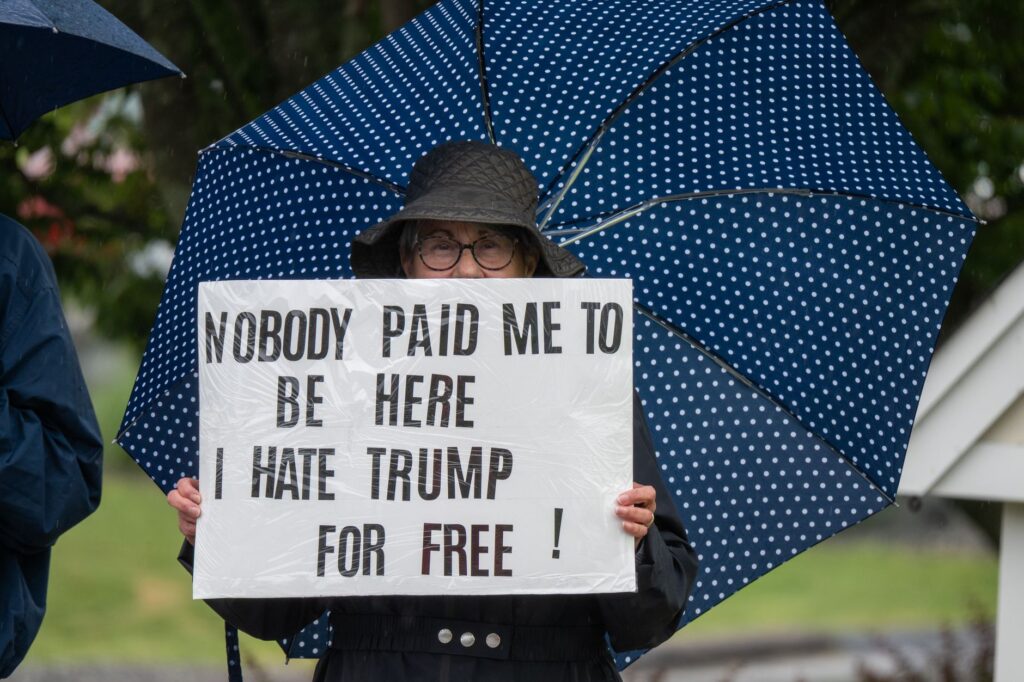
Trump South Africa discrimination has sparked heated debates about racial policies and human rights. This controversial decision has implications for international relations and domestic affairs.
What Led to Trump’s Decision?
In recent developments, President Trump has taken a controversial stance regarding South Africa, citing concerns over discrimination against white farmers. This decision to bar certain South Africans from entering the United States has sparked widespread debate. Critics argue that Trump’s policy reflects a misunderstanding of the complex socio-political landscape in South Africa.
Several factors contributed to this decision:
- Media Reports: News coverage highlighted claims of anti-white discrimination, fueling Trump’s narrative.
- Political Pressure: Influential supporters urged action to protect white farmers facing land expropriation.
- Global Attention: The issue gained traction internationally, prompting Trump to respond with a policy shift.
This action has raised questions about Trump’s motivations and its implications for U.S.-South Africa relations, with many wondering if this is the worst policy in addressing the Trump South Africa discrimination issue.
Understanding Anti-White Discrimination
The recent decision by Trump to bar certain South Africans has ignited debates surrounding the claims of anti-white discrimination in the country. Supporters of this measure argue that it addresses systemic inequalities faced by white South Africans, who have reported various forms of discrimination. Critics, however, contend that this policy is overly simplistic and fails to consider the complex socio-political dynamics at play.
Understanding the nature of anti-white discrimination requires examining several factors:
- Historical Context: The legacy of apartheid still influences societal structures.
- Economic Disparities: Many white South Africans face challenges in a changing economy.
- Political Climate: Rising tensions often manifest in policies perceived as targeting specific ethnic groups.
Ultimately, the discussion around Trump South Africa discrimination reflects broader global issues of race and equality.
Reactions from South Africa
Reactions from South Africa regarding Trump’s decision to impose restrictions on certain South Africans have been overwhelmingly critical. Many citizens and officials view this policy as a blatant example of Trump South Africa discrimination, arguing that it unfairly targets individuals based on their nationality and potential racial background.
Various organizations have condemned the move, stating that it exacerbates existing tensions and promotes a narrative of division. Notably, some activists have pointed out that the focus on anti-white discrimination overlooks broader issues of inequality faced by many communities in South Africa.
Public sentiment reflects a mix of anger and disappointment, with many South Africans calling for a more inclusive approach that recognizes the country’s complex social dynamics. As the debate continues, the implications of Trump’s policy remain a contentious topic within the nation.
Impact on U.S.-South Africa Relations
The decision by former President Trump to impose restrictions on certain South Africans has sparked a significant backlash, impacting U.S.-South Africa relations. This policy, driven by allegations of anti-white discrimination, has raised concerns about its long-term implications on diplomatic ties between the two nations.
Analysts believe that the move could alienate key partners in South Africa, where the government has condemned the actions as unjust and discriminatory. The implications of such policies may extend beyond immediate diplomatic relations, affecting trade agreements and cooperative efforts on issues like climate change and security.
As both nations navigate this tense landscape, the question remains: will the ramifications of Trump’s decision on South Africa lead to lasting damage in the relationship, or will both countries find a path to reconciliation amidst the claims of Trump South Africa discrimination?
Public Opinion on Trump’s Policy
Public opinion on Trump’s policy regarding South Africa has been deeply polarized. Many supporters argue that the decision to bar certain South Africans is a necessary step to address anti-white discrimination in the country. They believe that the move highlights the issues faced by white farmers and communities in South Africa, asserting that Trump’s stance is a defense of human rights.
Conversely, critics of the policy argue that it exacerbates racial tensions and oversimplifies a complex issue. They contend that framing the situation solely around anti-white discrimination ignores the broader context of systemic inequalities faced by various racial groups.
As discussions continue, many Americans are left questioning whether Trump’s actions reflect a genuine concern for human rights or if they contribute to further division. The debate surrounding Trump South Africa discrimination remains a hot topic in political discourse.
Future Implications for Racial Policies
The future implications of Trump’s South Africa discrimination policy could be far-reaching and complex. As countries around the world grapple with issues of race and equality, this decision may set a troubling precedent.
Analysts are concerned that the policy could:
- Encourage similar policies in other nations facing racial tensions, leading to a global rise in discriminatory practices.
- Undermine international efforts aimed at promoting racial equality and human rights.
- Polarize communities within South Africa, causing increased division and strife among different racial groups.
Ultimately, the long-term effects of this policy will depend on how the international community responds and whether it fosters further dialogue or deepens divisions.
The implications of Trump South Africa discrimination extend beyond mere policy, affecting diplomatic relations and perceptions of the United States. Critics argue that this approach exacerbates existing inequalities and fosters resentment among marginalized communities.
Photo by Beth Fitzpatrick on Pexels
Sources
You might also like
AI Development Slowdown: The Right Choice for Progress · Salman Khan Ganpati visarjan: Best prayers at family event · Alex Saab plea change: What are the real implications?