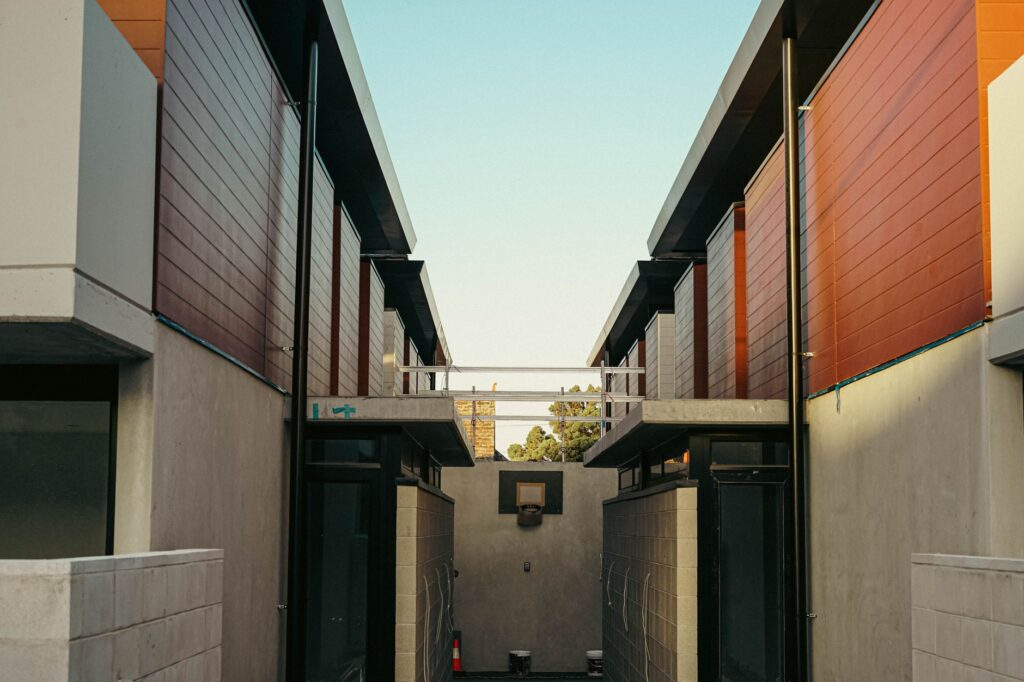
Stronger homes Australia are crucial in adapting to a changing climate. This article explores various strategies to enhance resilience in home construction.
Understanding the Climate Resilience Challenge
As Australia faces increasingly severe weather events, the need for stronger homes Australia has never been more pressing. Understanding the climate resilience challenge is essential for homeowners, builders, and policymakers alike. Climate change is altering the frequency and intensity of natural disasters, from bushfires to floods, leaving many properties vulnerable to damage.
Homeowners are often unprepared for the impacts of these extreme weather conditions, which can lead to significant financial and emotional stress. The challenge lies in bridging the implementation gap between knowledge and action. While many strategies exist to enhance resilience, they are not always effectively adopted at the community level.
To address these challenges, it is vital to consider several key factors:
- Building Codes: Updating building regulations to incorporate resilience measures ensures new homes can withstand climate-related threats.
- Community Awareness: Educating residents about the risks and available solutions fosters proactive measures in home design and renovation.
- Insurance Solutions: Developing insurance policies that incentivize resilience improvements can motivate homeowners to invest in better protection.
- Government Support: Providing grants and resources for retrofitting homes is essential to support those who cannot afford upgrades.
By focusing on these areas, Australia can work towards creating stronger homes that not only withstand future challenges but also protect families and communities from the effects of climate change.
Key Factors in Building Stronger Homes
In the pursuit of creating stronger homes Australia needs, several key factors must be considered to enhance the resilience of residential structures against climate challenges. These factors not only contribute to the durability of homes but also ensure the safety and well-being of their inhabitants.
- Building Materials: Utilizing durable and sustainable materials is crucial. Options like reinforced concrete, steel framing, and weather-resistant finishes can significantly improve a home’s resistance to extreme weather conditions.
- Design Features: Incorporating design elements such as elevated foundations, sloped roofs, and strategic window placements can help mitigate potential damage from flooding and wind.
- Energy Efficiency: Implementing energy-efficient systems not only reduces utility costs but also minimizes the environmental impact. Solar panels and proper insulation can play a vital role in creating a more resilient home.
- Landscaping: Thoughtful landscaping can serve as a buffer against natural disasters. The use of native plants, rain gardens, and proper drainage systems can reduce erosion and manage stormwater effectively.
- Community Engagement: Collaboration with local communities and stakeholders can lead to better planning and resource allocation, ensuring that homes are built with resilience in mind.
Focusing on these factors can lead to a more robust approach in the effort to create stronger homes Australia urgently needs to combat climate change.
Stronger homes Australia: Implementation Strategies
To effectively implement strategies for creating stronger homes in Australia, homeowners and builders must prioritize several key approaches. These strategies not only enhance structural integrity but also promote sustainability in the face of climate challenges.
- Invest in Quality Materials: Utilizing durable materials such as reinforced concrete, brick, and high-quality timber can significantly improve a home’s resistance to extreme weather conditions.
- Design for Local Conditions: Homes should be designed with consideration for local climate patterns, including wind, rain, and temperature fluctuations. This includes incorporating features such as sloped roofs for efficient rain runoff and elevated foundations to prevent flooding.
- Energy Efficiency: Implementing energy-efficient designs and technologies, such as solar panels and high-performance insulation, can reduce energy consumption while enhancing resilience against power outages during severe weather.
- Regular Maintenance: Ongoing maintenance is crucial for ensuring that homes remain resilient over time. Regular inspections and prompt repairs can mitigate damage caused by wear and tear or extreme weather events.
- Community Collaboration: Engaging with local communities to share knowledge and resources can lead to innovative solutions for building stronger homes in Australia. Collaborative efforts can amplify the impact of individual strategies.
By incorporating these implementation strategies, homeowners can play a vital role in enhancing the resilience of their properties against the increasing threats posed by climate change.
The Role of IAG Limited in Climate Adaptation
IAG Limited, a leading insurance company in Australia, plays a pivotal role in enhancing the resilience of homes across the nation. With the increasing frequency of extreme weather events, the need for stronger homes Australia has never been more critical. IAG has committed to supporting climate adaptation initiatives that aim to protect communities and properties from the impacts of climate change.
Through various programs and partnerships, IAG focuses on several key areas:
- Research and Development: IAG invests in innovative building practices and technologies that improve home resilience against climate-related risks.
- Community Engagement: The company actively collaborates with local governments, businesses, and residents to promote awareness and adoption of climate adaptation measures.
- Insurance Solutions: IAG offers products that incentivize homeowners to invest in resilient building practices, providing financial support for renovations and upgrades that enhance safety.
- Policy Advocacy: The company advocates for cohesive climate policies that encourage sustainable development and climate-resilient infrastructure.
By integrating these strategies, IAG Limited not only helps mitigate the risks posed by climate change but also paves the way for the construction of stronger homes that can withstand future environmental challenges. Their commitment to building resilience is essential for the safety and security of Australian communities.
Innovative Materials for Resilient Construction
As Australia faces increasing climate challenges, the importance of utilizing innovative materials for resilient construction has never been more evident. These materials not only enhance the durability of homes but also contribute significantly to the overall goal of creating stronger homes Australia can rely on. Here are some of the most promising options:
- Reinforced Concrete: This material offers superior strength and durability compared to traditional concrete, making it an excellent choice for areas prone to extreme weather conditions.
- Lightweight Steel: Known for its flexibility and resistance to rust, lightweight steel is increasingly being used in home frameworks, providing a robust alternative to timber.
- Insulated Concrete Forms (ICFs): These forms provide both structural integrity and insulation, making homes more energy-efficient while enhancing their ability to withstand harsh environments.
- Eco-Friendly Materials: Sustainable options, such as bamboo and recycled plastics, are gaining traction. They not only reduce the carbon footprint of construction but also offer resilience against environmental stresses.
- Impact-Resistant Windows: These windows are designed to withstand strong winds and debris, significantly reducing the risk of breakage during storms.
By integrating these innovative materials, builders can contribute to the creation of stronger homes Australia needs to tackle the challenges of a changing climate effectively.
Community Engagement in Resilience Planning
Community engagement plays a crucial role in resilience planning, especially in the context of building stronger homes Australia. Involving local residents in the decision-making process ensures that the unique needs and preferences of the community are addressed. This collaborative approach can lead to more effective solutions and a greater sense of ownership over resilience initiatives.
Successful community engagement strategies often include:
- Workshops: Organizing workshops where community members can voice their concerns and propose ideas for enhancing resilience.
- Surveys: Distributing surveys to gather feedback on what residents believe are the most pressing issues related to climate change and home resilience.
- Public Meetings: Holding public meetings to discuss resilience strategies and gather input from diverse community members.
- Collaborative Projects: Creating opportunities for community-led projects that focus on strengthening local infrastructure and homes.
Moreover, involving schools and educational institutions can foster a culture of resilience among younger generations. By integrating climate education into school curriculums, children can learn about the importance of sustainable practices and the role they can play in building stronger homes.
Ultimately, community engagement not only helps in tailoring resilience strategies but also empowers individuals to take proactive steps in safeguarding their homes and neighborhoods against climate challenges.
Future Trends in Home Resilience
As Australia faces increasing climate challenges, the future of home resilience is poised for significant transformation. Stronger homes Australia will not only rely on traditional building practices but also embrace innovative approaches that integrate sustainability with durability.
Emerging trends indicate a shift towards smart technology in home construction and renovation. Homeowners are increasingly adopting systems that monitor environmental conditions, enabling proactive measures to protect against extreme weather events. These technologies help in assessing risks and ensuring that homes remain safe and structurally sound.
Additionally, sustainable materials are gaining traction as more builders and homeowners seek to minimize their environmental footprint. The use of recycled and renewable resources is not only beneficial for the planet but also contributes to the longevity and resilience of buildings.
Another important trend is the integration of community-based resilience planning. Local governments and communities are collaborating to develop frameworks that prioritize collective safety and preparedness. This includes shared resources and knowledge, fostering a culture of resilience that extends beyond individual homes.
In conclusion, the future of home resilience in Australia is bright, with a focus on stronger homes that embrace technology, sustainability, and community engagement. As these trends continue to evolve, they will shape a more resilient built environment that can withstand the pressures of a changing climate.
Stronger homes Australia focuses on integrating sustainable materials and innovative designs to withstand extreme weather conditions. By implementing these proven strategies, homeowners can ensure that their properties are better prepared for future challenges, exemplifying the principles of stronger homes Australia.
Photo by Nenyasha Manzvera on Pexels
Where this came from