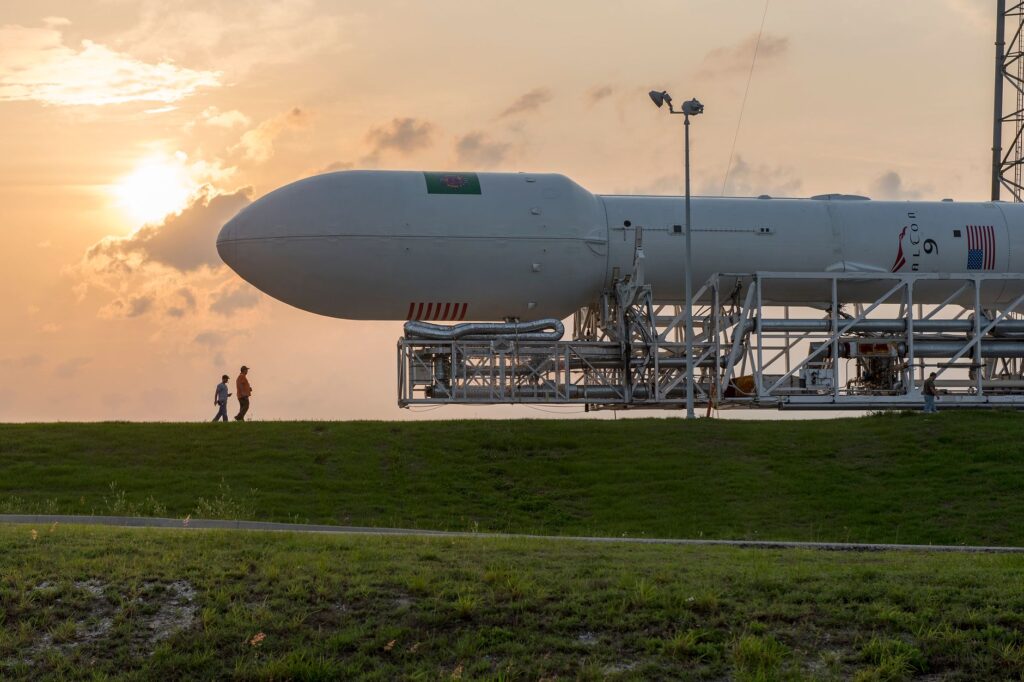
SpaceX Crew-12 mission has successfully undocked from the ISS, paving the way for its return to Earth. This event highlights the ongoing collaboration between NASA and SpaceX in advancing human spaceflight.
Overview of SpaceX Crew-12 Mission
The SpaceX Crew-12 mission marked a significant milestone in the ongoing collaboration between NASA and SpaceX, demonstrating the efficacy of commercial space travel. Launched on April 23, 2021, the Crew Dragon spacecraft, named Endeavour, carried four astronauts to the International Space Station (ISS) for a six-month stay, conducting critical research and experiments.
During their time aboard the ISS, the Crew-12 astronauts undertook various scientific endeavors, including studies related to human health in space and technology demonstrations aimed at furthering space exploration. The mission not only highlighted the capabilities of private spaceflight but also contributed to the growing body of knowledge necessary for future long-duration missions.
On November 8, 2021, the Crew Dragon undocked from the ISS, initiating its journey back to Earth. This return phase was closely monitored by both NASA and SpaceX teams, ensuring that all systems functioned as designed. The spacecraft successfully splashed down in the Gulf of Mexico, reaffirming the safety protocols in place for crewed missions.
As the SpaceX Crew-12 mission demonstrated, the integration of commercial partners in space exploration can enhance scientific output and provide a reliable means of transporting astronauts to and from orbital destinations. This successful return not only reassured stakeholders but also paved the way for future missions, showcasing the potential of private enterprise in advancing human spaceflight.
Importance of ISS
The International Space Station (ISS) remains a pivotal platform for scientific research and international cooperation in space exploration. The importance of the ISS is underlined by the success of missions like the SpaceX Crew-12 mission, which recently completed its journey back to Earth.
As a unique laboratory orbiting our planet, the ISS allows astronauts to conduct experiments that are not possible on Earth. These experiments span various fields, including:
- Biology: Understanding the effects of microgravity on living organisms.
- Physics: Studying fluid dynamics and combustion processes in a weightless environment.
- Materials Science: Investigating how materials behave in space to develop better technologies.
- Earth and Space Science: Observing climate change and conducting astronomical research.
The collaborative nature of the ISS brings together space agencies from around the globe, fostering partnerships that enhance technological advancements and knowledge sharing. The successful undocking of the SpaceX Crew-12 mission from the ISS not only marks a significant milestone for SpaceX but also highlights the ongoing commitment to sustaining human presence in low Earth orbit.
As international partnerships continue to thrive, the ISS serves as a crucial stepping stone for future deep-space exploration missions, ensuring that humanity remains at the forefront of space research.
Timeline of the Return
The timeline of the SpaceX Crew-12 mission’s return to Earth highlights a series of crucial events that ensured a safe and successful journey back home. After spending six months aboard the International Space Station (ISS), the Crew-12 astronauts began their departure process on November 8, 2021.
Following a thorough series of checks and preparations, the Crew Dragon spacecraft, named Resilience, undocked from the ISS at approximately 2:35 AM EST. This marked the beginning of the return phase, with the astronauts bidding farewell to their ISS colleagues. The undocking was a meticulously planned event, aimed at ensuring all systems were functioning optimally.
After undocking, the spacecraft performed a series of orbital maneuvers to align its trajectory for re-entry. The crew engaged in final procedural tasks, ensuring that all systems were ready for the intense conditions of re-entry. The spacecraft re-entered Earth’s atmosphere at a speed of around 17,500 miles per hour, enduring significant thermal stress.
Finally, the Crew Dragon deployed its parachutes over the Gulf of Mexico at approximately 12:33 AM EST on November 9, 2021, and safely splashed down, concluding the SpaceX Crew-12 mission. The astronauts were promptly recovered by a SpaceX recovery vessel, marking a successful end to this significant mission.
Crew Members on Board
The SpaceX Crew-12 mission brought back four astronauts to Earth, marking a significant achievement in the realm of space exploration. The crew members aboard the spacecraft exhibited remarkable teamwork and professionalism throughout their journey. Each astronaut played a crucial role in the mission, contributing their unique skills and expertise.
- Mark T. Vande Hei – A seasoned NASA astronaut, Vande Hei has conducted multiple missions to the International Space Station (ISS) and contributed to various scientific experiments during his time aboard.
- Shane Kimbrough – Kimbrough, also a NASA astronaut, has extensive experience in space travel and has participated in crucial ISS operations, enhancing international collaboration in space research.
- Akihiko Hoshide – Representing the Japan Aerospace Exploration Agency (JAXA), Hoshide is known for his contributions to the ISS and has a strong background in robotics and space technology.
- Thomas Pesquet – A French astronaut with the European Space Agency (ESA), Pesquet has been involved in various scientific missions and has a keen interest in Earth observation from space.
The successful return of the SpaceX Crew-12 mission not only highlights the individual talents of these astronauts but also reflects the effectiveness of international collaboration in advancing human spaceflight.
NASA’s Role in SpaceX Missions
NASA has played a pivotal role in the success of the SpaceX Crew-12 mission, collaborating closely with SpaceX to ensure safe and efficient operations in low Earth orbit. This mission is part of NASA’s Commercial Crew Program, which aims to foster partnerships with private companies to transport astronauts to and from the International Space Station (ISS).
Through this program, NASA has been able to leverage SpaceX’s innovative technology and expertise in rocket design and spacecraft operations. The agency provides oversight and support, ensuring that all safety protocols are followed and that the crew remains protected during their journey.
NASA’s involvement includes:
- Mission Planning: Detailed collaboration on mission objectives and timelines.
- Training: Extensive training programs for astronauts and SpaceX personnel to prepare for various scenarios.
- Technical Support: Continuous monitoring and assistance with spacecraft systems and operations.
- Post-Mission Analysis: Evaluating mission outcomes to improve future flights.
The successful undocking of the Crew-12 mission from the ISS marks another significant achievement in the ongoing partnership between NASA and SpaceX. This collaboration not only enhances space exploration efforts but also paves the way for future missions that may include journeys to the Moon and Mars.
Future SpaceX Missions
As the successful SpaceX Crew-12 mission concludes with its safe return to Earth, the focus now shifts to future missions and the ongoing partnership between NASA and SpaceX. The Crew-12 mission has not only demonstrated the reliability of commercial space travel but also paved the way for more ambitious endeavors.
Upcoming missions will continue to support the International Space Station (ISS), with plans for regular crew rotations and cargo deliveries. SpaceX is expected to launch additional crewed missions under NASA’s Commercial Crew Program, which aims to maintain a continuous human presence in low Earth orbit.
- Crew-13 Mission: Scheduled for late 2021, this mission will transport another team of astronauts to the ISS.
- Cargo Resupply Missions: In addition to crewed flights, SpaceX will continue its cargo resupply missions to the ISS, ensuring that astronauts have the supplies needed for their research.
- Lunar Missions: Looking further ahead, SpaceX is also preparing for its role in NASA’s Artemis program, which aims to return humans to the Moon by 2024.
- Mars Exploration: The long-term vision includes the potential for human missions to Mars, showcasing SpaceX’s commitment to expanding human exploration beyond Earth.
With the success of the Crew-12 mission as a foundation, SpaceX is poised to lead the charge into a new era of space exploration.
Challenges Faced During Undocking
The SpaceX Crew-12 mission faced several challenges during the undocking process from the International Space Station (ISS), as the crew prepared for their journey back to Earth. These hurdles were critical, requiring meticulous planning and expert execution to ensure a safe return.
One of the primary challenges was the alignment of the Crew Dragon spacecraft with the ISS docking port. This process involves precise calculations and coordination between the spacecraft’s automated systems and the ISS crew. Any misalignment could lead to significant delays or even aborting the undocking procedure.
Additionally, the crew had to contend with the variable conditions of space and the Earth’s atmosphere. Factors such as microgravity, temperature fluctuations, and potential space debris posed risks during the undocking phase. To mitigate these risks, astronauts conducted multiple simulations prior to the actual undocking, ensuring they were well-prepared for any unexpected issues.
Communication with mission control was also vital. NASA’s team on the ground provided real-time support and guidance, helping to troubleshoot any technical difficulties that arose. This collaboration highlighted the importance of teamwork in overcoming challenges during critical phases of the SpaceX Crew-12 mission.
Despite these obstacles, the undocking was executed smoothly, paving the way for a successful return journey and reaffirming the resilience and capability of the SpaceX team.
Public Interest in Space Travel
The SpaceX Crew-12 mission has sparked significant public interest in space travel, highlighting humanity’s ongoing fascination with exploration beyond Earth. Following the safe return to Earth of the Crew-12 astronauts, many are now more curious than ever about the future of commercial spaceflight and its implications for science, technology, and international cooperation.
As the Crew-12 mission successfully concluded, the excitement surrounding space travel has grown, inspiring a new generation of enthusiasts and potential astronauts. The mission’s achievements have ignited discussions about the accessibility of space travel, as private companies like SpaceX continue to innovate and reduce costs associated with launching missions.
Public interest is also fueled by the remarkable advancements in technology and the potential for scientific discoveries that missions like Crew-12 can bring. The ongoing collaboration between private companies and governmental organizations, notably NASA, showcases a promising future for humanity’s ventures into space.
Many people are eager to learn more about upcoming missions and what they might entail. The Crew-12 mission is just one example of the growing trend towards regular space travel, with plans for future missions that include more crewed flights and increasing commercial opportunities in low Earth orbit.
- New educational programs in schools focusing on space science
- Increased media coverage of space missions
- Emerging opportunities for public engagement with space agencies
Ultimately, the SpaceX Crew-12 mission has not only demonstrated successful space travel but has also reignited the collective imagination regarding what lies beyond our planet.
The successful landing of the SpaceX Crew-12 mission marks a significant achievement in crewed spaceflight. Following a six-month stay at the International Space Station, the SpaceX Crew-12 mission has proven that safe returns to Earth are indeed possible.
Photo by SpaceX on Pexels
Sources
You might also like
Kia Sonet Prime launch: Best Proven Features Revealed · Electric vehicle release: Best Jaguar Model You Must Know · Is Honda Zero Alpha the Best New SUV for 2026?