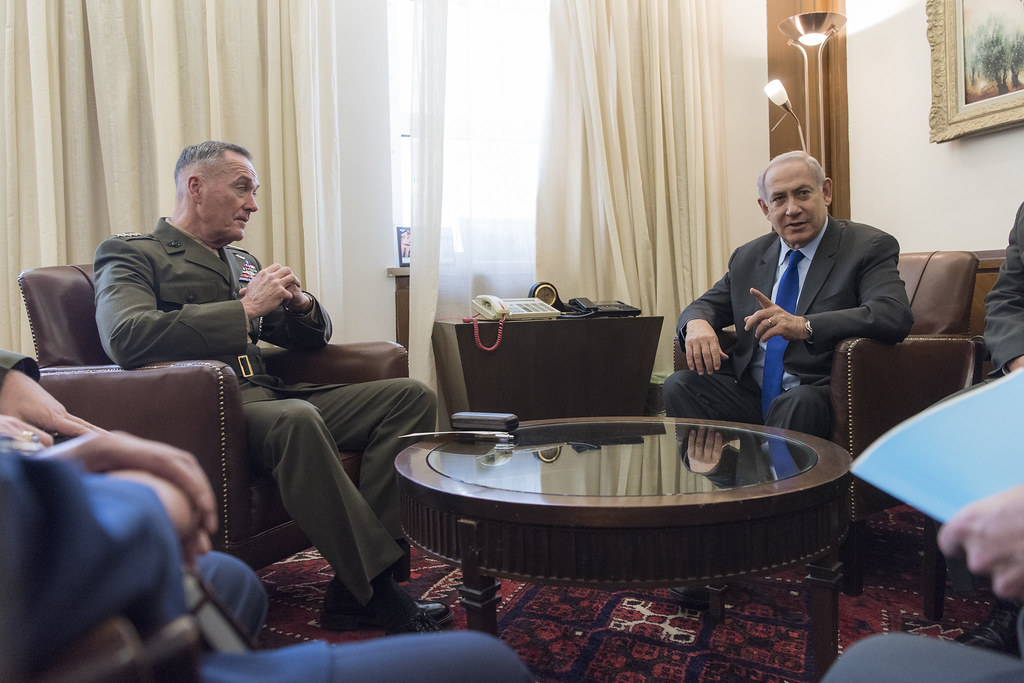
Netanyahu and Eisenkot are in the spotlight as they seek a shot at being Israel’s premier. Their political ambitions could reshape the country’s future.
Understanding the Political Landscape
In the current political landscape of Israel, the dynamics between key figures such as Netanyahu and Eisenkot play a crucial role in shaping the future of the nation. As Israel faces multiple challenges, both leaders are vying for influence and support to steer the country towards stability and growth.
The political arena is marked by:
- Coalition Building: The necessity for strong alliances has become paramount as parties seek to rally support around their agendas.
- Public Sentiment: The Israeli populace is increasingly vocal about their desires for effective leadership and solutions to pressing issues.
- Security Concerns: With ongoing tensions in the region, a robust security strategy is essential for any leader looking to gain the trust of the citizens.
As Netanyahu and Eisenkot maneuver through this intricate political landscape, their actions will undoubtedly influence the direction Israel takes in the coming years. The stakes are high, and the importance of strategic decision-making cannot be overstated.
Who is Netanyahu?
Benjamin Netanyahu, a dominant figure in Israeli politics, has served multiple terms as Prime Minister of Israel. His tenure has been marked by both controversy and significant achievements. Known for his strong stance on national security, Netanyahu advocates for a tough approach to regional threats, particularly from Iran and militant groups.
Born on October 21, 1949, in Tel Aviv, Netanyahu has a rich background in military service and international diplomacy. He served in the elite Sayeret Matkal unit of the Israel Defense Forces and later held various diplomatic roles, including ambassador to the United Nations. His political career began in the 1980s, leading to his first term as Prime Minister in the late 1990s.
Under Netanyahu’s leadership, Israel has seen economic growth, technological advancements, and significant diplomatic relationships. However, his governance has also faced criticism regarding social issues and political polarization. In the current landscape, Netanyahu’s alliance with figures like Eisenkot is viewed as a strategic move to strengthen his position and address the challenges facing Israel.
The Role of Eisenkot in Politics
In recent months, the political landscape in Israel has been shaped significantly by the partnership between Netanyahu and Eisenkot. As a former Chief of Staff of the Israel Defense Forces, Eisenkot brings a wealth of experience and a fresh perspective to the political arena. His military background has positioned him as a pragmatic leader who prioritizes national security while also addressing pressing social issues.
His entry into politics coincides with a critical time for Israel, as the nation grapples with internal divisions and external threats. Eisenkot’s approach contrasts with traditional political methods, focusing on coalition-building and inclusive governance. Supporters argue that his military discipline and strategic thinking can help unite various factions within the Israeli parliament.
As both Netanyahu and Eisenkot seek to redefine their roles, their collaboration could prove pivotal in shaping Israel’s future. Observers are keenly watching how their combined leadership will influence policy decisions and the overall direction of the country. The potential for a new era in Israeli politics hinges on the synergy they create together.
Public Reaction to Their Ambitions
Public reaction to the ambitions of Netanyahu and Eisenkot has been mixed, reflecting the deeply polarized nature of Israeli politics. Many citizens are hopeful that their collaboration could lead to a more stable government and effective leadership.
Supporters of Netanyahu argue that his extensive experience in office positions him as the best candidate to navigate the challenges facing Israel today. His track record in economic reforms and foreign relations is often highlighted.
On the other hand, Eisenkot appeals to a younger demographic, who see him as a fresh alternative to traditional political figures. His military background and emphasis on security resonate with those concerned about Israel’s safety.
However, detractors remain skeptical. Critics worry that a partnership between Netanyahu and Eisenkot may not address pressing issues such as social inequality and economic disparities. Concerns about potential corruption and governance overshadow some of the optimism surrounding their ambitions.
- Supporters praise Netanyahu’s experience.
- Critics highlight concerns over governance.
- Eisenkot’s appeal lies with younger voters.
Potential Impact on Israel
The potential impact of the collaboration between Netanyahu and Eisenkot on Israel’s future cannot be overstated. Their combined experience and political acumen may lead to significant changes in both domestic and foreign policy.
Observers believe that their partnership could:
- Strengthen National Security: With Eisenkot’s military background, there is a strong possibility of enhanced security measures and strategic decisions aimed at protecting Israel from external threats.
- Revitalize the Economy: Netanyahu’s experience in economic policies may foster growth initiatives, potentially boosting job creation and foreign investment.
- Address Domestic Issues: Their joint efforts could focus on pressing social issues, such as housing and healthcare, which have been prioritized by the public.
- Influence International Relations: Their leadership might shift Israel’s diplomatic stance, affecting relationships with neighboring countries and allies.
As Netanyahu and Eisenkot seek a way to lead Israel, the implications of their leadership could reshape the nation’s trajectory for years to come.
Comparing Leadership Styles
In the evolving political landscape of Israel, the leadership styles of Netanyahu and Eisenkot present a compelling contrast that shapes their respective approaches to governance. Netanyahu, with his seasoned experience as a long-serving prime minister, often emphasizes a strong national security agenda, leveraging his relationships with global powers to bolster Israel’s standing on the world stage.
On the other hand, Eisenkot, a former chief of staff of the Israel Defense Forces, brings a fresh perspective that focuses on military strategy intertwined with humanitarian considerations. His leadership style is marked by a more collaborative approach, often seeking consensus among various political factions.
Both leaders share a commitment to Israel’s security but differ in their methodologies. While Netanyahu tends to adopt a more confrontational stance, Eisenkot is inclined towards diplomacy and dialogue. This divergence in styles could influence their effectiveness in addressing pressing issues, such as regional conflicts and socio-economic challenges.
Ultimately, the dynamics between Netanyahu and Eisenkot could play a pivotal role in shaping Israel’s future trajectory.
Future Prospects for Israel’s Leadership
The future prospects for Israel’s leadership are increasingly centered around the dynamic between Netanyahu and Eisenkot. As they vie for influence in the political arena, their differing backgrounds and strategies could shape the nation’s trajectory in profound ways.
Netanyahu, with his extensive experience as a seasoned politician, brings a wealth of knowledge in navigating complex international relations. Conversely, Eisenkot, a former military chief, offers a fresh perspective grounded in security and defense, appealing to voters concerned about national safety.
As the political climate evolves, several factors will play a crucial role in their success:
- Public Sentiment: The electorate’s mood regarding security and economic stability will heavily influence their campaigns.
- Coalition Building: Their ability to forge partnerships with other parties will be vital in a fragmented political landscape.
- Policy Proposals: Innovative solutions to pressing issues such as housing, healthcare, and education will resonate with citizens.
Ultimately, the collaboration or competition between Netanyahu and Eisenkot will significantly impact Israel’s future leadership dynamics.
By Chairman of the Joint Chiefs of Staff via Openverse
Read the original
Related stories