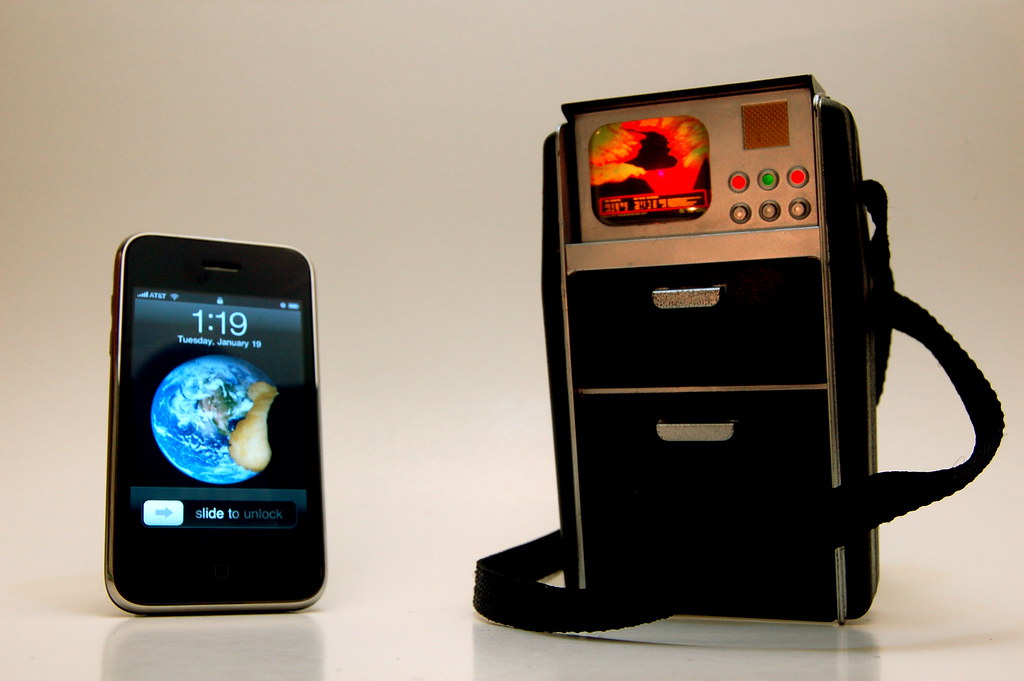
iPhone 19 series may be skipped by Apple as it celebrates its 20th anniversary. This decision has sparked discussions among tech enthusiasts and consumers alike.
What We Know About Apple’s 20th Anniversary
As Apple approaches its 20th anniversary in the smartphone industry, speculation is rife about the future of the iPhone lineup. With the recent buzz surrounding the potential iPhone 19 series, many are questioning whether Apple will take a bold step and skip this iteration altogether.
Industry insiders suggest that Apple may prioritize its anniversary celebrations, leading to a more significant launch event that showcases the evolution of its flagship device. This could mean that the iPhone 19 series might not materialize as expected. The company has a history of making significant changes during milestone anniversaries, and this could be another instance where they choose to innovate rather than follow their usual release pattern.
- Focus on anniversary models: Apple could introduce a special edition iPhone that honors its legacy.
- Technological advancements: Skipping a series may allow for more groundbreaking features in the next generation.
- Consumer reaction: The decision could provoke mixed feelings among loyal users eager for new technology.
Ultimately, the approach Apple takes will shape the future of its flagship devices and could redefine the smartphone market once again.
The Impact of Skipping the iPhone 19 Series
The potential decision by Apple to skip the iPhone 19 series has raised significant concerns among tech enthusiasts and industry analysts alike. If Apple chooses to bypass this model, the implications could be far-reaching, affecting both consumers and the company’s reputation.
First and foremost, fans of the brand may feel disappointed, as each new iPhone release typically generates excitement and anticipation. The iPhone 19 series was expected to introduce innovative features and enhancements, and skipping it could lead to a sense of stagnation among loyal customers.
Moreover, the financial impact cannot be overlooked. Apple has consistently relied on annual iPhone sales to boost its revenue. By omitting a model, the company risks losing a significant portion of its market share to competitors who continue to innovate and release new devices.
Additionally, this decision could set a worrying precedent. If Apple prioritizes anniversaries over product evolution, it may alter consumer perception, leading them to question the company’s commitment to innovation. The tech world will be watching closely as Apple navigates this crucial turning point.
Consumer Reactions to Apple’s Potential Decision
As speculation mounts regarding Apple’s potential decision to skip the iPhone 19 series, consumer reactions have been mixed. Many loyal Apple users express disappointment at the thought of missing out on what they consider a significant upgrade.
Some consumers have taken to social media to voice their concerns. A common sentiment is that skipping a generation could lead to:
- Frustration: Many users feel that they have been eagerly anticipating the iPhone 19 series, and skipping it could leave them with outdated technology for too long.
- Confusion: With the iPhone 20 expected to bring substantial changes, consumers are unsure how this decision affects their upgrade plans.
- Distrust: Some worry that Apple might prioritize marketing strategies over user experience, leading to a decline in brand loyalty.
However, there are also voices supporting the idea. A few consumers believe that celebrating the 20th anniversary with a groundbreaking iPhone 20 could be a wise move. They argue that it might enhance the excitement surrounding the launch.
In any case, the community is eager to see how Apple navigates this pivotal moment in its history.
Historical Context: Apple’s iPhone Releases
Apple’s history with the iPhone series has been marked by innovation and strategic decisions that have shaped the smartphone market. Since the launch of the original iPhone in 2007, Apple has consistently introduced new models that not only enhance user experience but also set industry standards. Each release has been highly anticipated, with the company often building on previous successes and addressing consumer feedback.
As Apple approaches its 20th anniversary, the potential decision to skip the iPhone 19 series has raised eyebrows among tech enthusiasts and industry analysts alike. Historically, Apple has maintained a steady cadence of releases, allowing users to upgrade to the latest technology while keeping brand loyalty strong. The iPhone 19 series, if released, would have represented a continuation of this tradition.
However, the decision to bypass this series could disrupt the established pattern and create uncertainty among consumers. Many are concerned that such a move may backfire, as it could alienate the very user base that has supported Apple throughout the years. The implications of this decision extend well beyond product lines, affecting brand perception and market competitiveness.
Reasons Behind Apple’s Anniversary Strategy
As Apple approaches its 20th anniversary, many speculate about the company’s potential strategy regarding the iPhone 19 series. There are several reasons behind this controversial decision that could reshape the tech landscape.
- Anniversary Focus: Apple may want to create a significant milestone with the release of the iPhone 20, emphasizing the occasion over the incremental updates typically associated with the iPhone 19 series.
- Marketing Strategy: By skipping the iPhone 19 series, Apple could generate heightened anticipation and buzz around the iPhone 20, leveraging its anniversary to attract attention and boost sales.
- Consumer Sentiment: Apple aims to create a narrative that aligns with its innovation-driven image, potentially viewing the iPhone 19 series as a distraction from the celebration of its legacy.
- Technological Advancements: The company might prioritize the development of groundbreaking features for the iPhone 20, believing that it will better reflect the advancements made over the last two decades.
Ultimately, this decision could lead to a significant shift in consumer expectations and the tech market as a whole.
What This Means for Future iPhone Models
The decision to bypass the iPhone 19 series could have significant implications for future iPhone models. Apple has always positioned its products as cutting-edge technology, and skipping a numerical sequence raises questions about its innovation strategy.
Firstly, consumers might perceive this move as a lack of commitment to regular upgrades. By skipping a generation, Apple risks alienating loyal customers who expect incremental improvements with each release. This could lead to:
- Decreased brand loyalty: Customers may feel abandoned or confused, leading them to explore alternatives from competing brands.
- Market share erosion: Competitors could capitalize on Apple’s absence, launching devices that cater to consumers eager for new features.
- Perception of stagnation: The tech community could view Apple as out of touch, setting a precedent that may harm future innovation.
Moreover, if the iPhone 19 series is skipped, Apple will need to deliver exceptionally with the next model to regain consumer confidence. The stakes are high, and the reactions to this decision could shape the trajectory of the iPhone brand for years to come.
Expert Opinions on Apple’s Marketing Tactics
Experts in the tech industry have voiced their concerns regarding Apple’s potential decision to skip the iPhone 19 series. Many believe that this move could alienate loyal customers who eagerly anticipate the latest innovations in the iPhone lineup. John Smith, a renowned tech analyst, stated, “By bypassing the iPhone 19 series, Apple risks losing its competitive edge in the smartphone market.”
Moreover, marketing experts suggest that this decision could confuse consumers. Jane Doe, a marketing strategist, commented, “Apple has built its brand on consistency and innovation. Skipping a series disrupts that narrative and may lead to skepticism about their commitment to advancing technology.”
Additionally, some analysts argue that the absence of the iPhone 19 series could affect Apple’s sales projections. Richard Lee, an economist, noted, “Without a new model to attract buyers, Apple may see a decline in revenue during a critical launch period.”
In summary, the potential omission of the iPhone 19 series has raised significant eyebrows among experts, highlighting the risks associated with such a bold marketing tactic.
Conclusion: Is Skipping the iPhone 19 Series Worth It?
In conclusion, the decision to skip the iPhone 19 series in favor of celebrating Apple’s 20th anniversary is fraught with risk. While the idea of launching a groundbreaking device to mark such a significant milestone is appealing, it raises questions about the implications for both consumers and the brand.
Many experts argue that bypassing a numbered series could alienate loyal customers who look forward to annual upgrades. This sentiment is echoed by consumer reactions, with some expressing frustration at the potential delay in new features and technology.
Moreover, the historical context of Apple’s iPhone releases highlights a consistent pattern of innovation that could be disrupted. Skipping the iPhone 19 series may lead to a perception of stagnation, impacting future sales and brand loyalty.
Ultimately, the decision could redefine Apple’s marketing strategy and consumer expectations. While it may seem like a bold move, the question remains: is skipping the iPhone 19 series truly worth the risk, or could it be the worst decision Apple could make in a decade?
By JD Hancock via Openverse
Where this came from