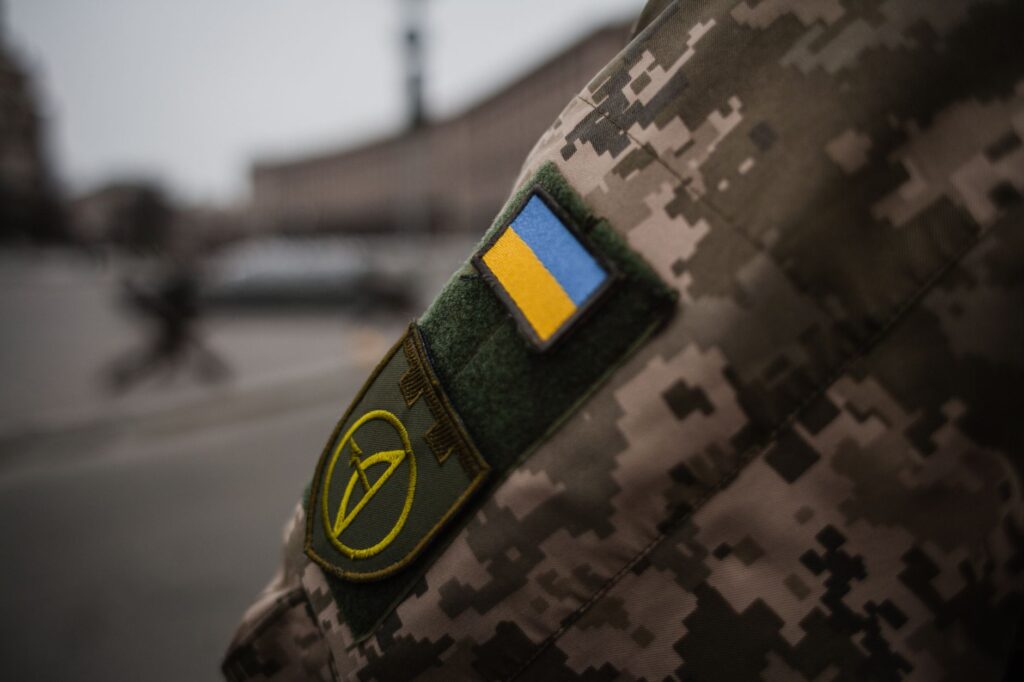
Ukrainian President Zelenskyy is navigating complex issues that impact his country’s future. This week, he addresses crucial matters affecting Ukraine’s stability and international relations.
Overview of Zelenskyy’s Leadership
Ukrainian President Zelenskyy has faced a myriad of challenges since taking office, navigating a complex political landscape both domestically and internationally. His leadership has been defined by resilience and adaptability, especially in the wake of ongoing conflicts and geopolitical tensions.
In recent discussions, Zelenskyy has emphasized the importance of unity among allies to bolster Ukraine’s defense capabilities. His efforts to secure military aid and financial support from Western nations continue to be a priority as he strives to maintain stability within the region.
Moreover, Zelenskyy’s administration is tackling significant internal issues, including corruption and economic reform. The President’s commitment to transparency and accountability remains a cornerstone of his governance.
As Ukraine navigates these turbulent waters, President Zelenskyy’s leadership style reflects both a pragmatic approach to diplomacy and a strong resolve to advocate for his nation’s sovereignty. The coming months will test his ability to lead effectively amidst these pressing demands.
- Strengthening international alliances
- Addressing corruption
- Economic reforms
Major Issues Facing Ukraine Today
Ukrainian President Zelenskyy is currently navigating a landscape of significant challenges that threaten both the stability and future of Ukraine. Among the most pressing issues are:
- Ongoing Conflict: The war with Russia continues to strain resources and disrupt daily life, with military and civilian casualties rising.
- Economic Instability: The conflict has led to a weakened economy, with inflation and unemployment affecting millions of Ukrainians.
- International Support: Securing consistent international aid and military support remains crucial, as global attention shifts to other geopolitical crises.
- Internal Political Unity: Zelenskyy must foster unity among various political factions to present a strong front against external threats.
- Reconstruction Efforts: As areas are liberated, the need for rebuilding infrastructure and communities presents both a challenge and an opportunity for growth.
These issues require adept leadership from Zelenskyy, as he strives to guide Ukraine through this tumultuous period while maintaining public confidence in his administration.
Tom Emmer’s Role in Congress
As Ukrainian President Zelenskyy navigates the complex political landscape of international support, the role of U.S. Congress members becomes increasingly significant. Tom Emmer, the Majority Whip, has been a pivotal figure in shaping the legislative response to Ukraine’s challenges.
Emmer’s position allows him to influence funding decisions and foreign policy initiatives, which directly impact the support that Ukraine receives. His advocacy for military and humanitarian aid demonstrates the U.S. commitment to assisting Ukraine amid ongoing conflicts. The following points outline Emmer’s contributions:
- Advocacy for Aid: Emmer has consistently pushed for increased military support for Ukraine, emphasizing the need to bolster Zelenskyy’s efforts against aggression.
- Bipartisan Support: He has worked to ensure that assistance is a bipartisan issue, rallying support from both sides of the aisle.
- Public Communication: Emmer has utilized media platforms to inform the public about Ukraine’s plight, highlighting the importance of continued U.S. involvement.
As challenges mount for Ukrainian President Zelenskyy, figures like Tom Emmer play a crucial role in sustaining international solidarity.
Adam Hamilton’s Senate Campaign
As the political landscape shifts, Adam Hamilton, the Democratic candidate for the Senate from Kansas, is emerging as a notable figure in the upcoming elections. His campaign emphasizes a strong commitment to supporting Ukraine amid ongoing conflicts and challenges. Hamilton believes that the U.S. must bolster its support for Ukrainian President Zelenskyy, especially as tensions continue to escalate in Eastern Europe.
In a recent interview, Hamilton stated, “Standing with Ukraine is not just about foreign policy; it’s about defending democracy and freedom globally.” His platform includes:
- Increased military aid: Advocating for more resources to be allocated to assist Ukraine in its defense efforts.
- Humanitarian support: Promoting initiatives aimed at providing aid to civilians affected by the conflict.
- Diplomatic efforts: Encouraging robust dialogue between the U.S. and its allies to ensure a united front against aggression.
Hamilton’s approach reflects a growing consensus among many Democratic leaders on the necessity of supporting President Zelenskyy and Ukraine during this critical juncture.
International Reactions to Ukraine’s Situation
As the conflict in Ukraine continues, international reactions to the situation have been varied and complex. Ukrainian President Zelenskyy has garnered significant support from Western nations, emphasizing the need for solidarity in the face of aggression.
Many countries have expressed their commitment to providing military and humanitarian aid to Ukraine. Key responses include:
- United States: The Biden administration has pledged substantial military assistance, including advanced weaponry and training for Ukrainian forces.
- European Union: The EU has implemented various sanctions against Russia while also increasing financial support to Ukraine, showcasing a united front.
- NATO: Member nations have ramped up their presence in Eastern Europe, ensuring that Ukraine feels the backing of its allies.
- Global NGOs: Numerous non-governmental organizations are actively working to provide aid and relief to civilians affected by the conflict.
Despite the support, challenges remain, and the international community faces the task of navigating a complex geopolitical landscape while standing firmly with Ukrainian President Zelenskyy and his vision for a free Ukraine.
Economic Challenges for Ukraine
The ongoing conflict in Ukraine has placed significant strain on the national economy, presenting formidable challenges for Ukrainian President Zelenskyy. As the nation grapples with the immediate impacts of war, the long-term economic recovery remains a critical concern.
Key economic challenges include:
- Infrastructure Damage: The destruction of vital infrastructure has hampered trade and basic services, making recovery efforts more complicated.
- Inflation: Rising prices for essential goods have put pressure on families, threatening to exacerbate poverty levels.
- Foreign Investment: Ongoing instability has deterred potential investors, hindering growth opportunities and economic development.
- Debt Management: Ukraine faces mounting debt, making it essential for the government to negotiate favorable terms with international creditors.
In this challenging landscape, President Zelenskyy’s leadership will be pivotal in navigating these economic hurdles while seeking to stabilize the country and build a resilient future.
Public Opinion on Zelenskyy’s Policies
As Ukrainian President Zelenskyy navigates the complex landscape of governance, public opinion on his policies remains a critical factor in determining his administration’s future. Recent surveys indicate that while many citizens appreciate his efforts to combat corruption and pursue European integration, there are growing concerns regarding the pace of reforms.
In the wake of ongoing economic challenges, the sentiment among the populace reflects a blend of hope and frustration. Key points influencing public opinion include:
- Transparency in Governance: Citizens demand greater accountability from their leaders, with calls for deeper anti-corruption measures.
- Economic Stability: The public is keenly aware of the financial struggles facing the nation, urging Zelenskyy to prioritize economic recovery initiatives.
- Security Concerns: With ongoing conflicts, citizens expect a strong stance from Zelenskyy to ensure national safety and security.
Ultimately, the way Zelenskyy addresses these pressing issues will significantly shape his legacy and the future of Ukraine.
Future Outlook for Ukrainian Governance
As Ukrainian President Zelenskyy navigates the turbulent waters of governance, the future outlook for Ukraine remains both challenging and critical. The ongoing conflict with Russia continues to strain resources and test the resilience of the Ukrainian people. Zelenskyy’s leadership will be pivotal in addressing not only military concerns but also the pressing need for political stability and economic recovery.
Key factors that will shape the future of Ukrainian governance include:
- Policy Reforms: Implementing effective policies to rebuild the economy and strengthen democratic institutions.
- International Support: Securing continued support from allies, particularly in military aid and humanitarian assistance.
- Public Engagement: Maintaining public trust and engagement through transparency and accountability in governance.
- Societal Unity: Promoting unity among diverse groups within Ukraine to foster a collaborative approach toward recovery.
In this complex landscape, President Zelenskyy’s ability to adapt and respond to these challenges will define his legacy and the future of Ukraine.
Ukrainian President Zelenskyy faces mounting pressure from both domestic and international fronts as he navigates the complexities of the ongoing conflict. The real challenges ahead for Ukrainian President Zelenskyy include addressing economic stability while maintaining public support for his leadership.
Photo by Алесь Усцінаў on Pexels
Where this came from