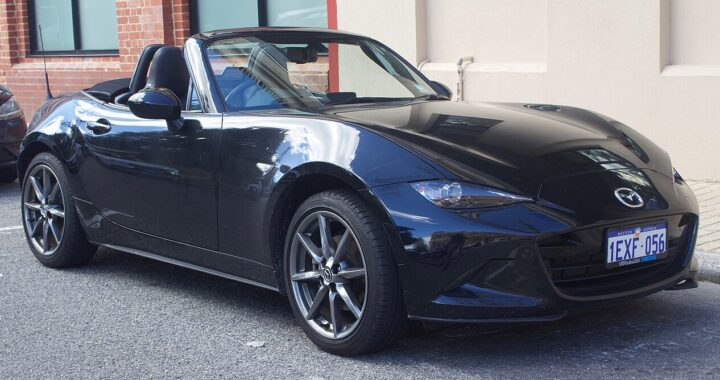
Fortuner bookings India have been suspended by Toyota, creating a stir among car enthusiasts and potential buyers. This article explores the reasons behind this unexpected move.
Reasons Behind Toyota’s Decision
Toyota’s recent announcement to suspend Fortuner bookings in India has sent ripples through the automotive industry, leaving many to wonder about the reasons behind this tough decision. Several factors have contributed to this move, which aims to address ongoing challenges in the market.
- Supply Chain Issues: Global supply chain disruptions have affected production capabilities, making it difficult for Toyota to meet the growing demand for the Fortuner.
- Rising Costs: The increasing prices of raw materials have led to higher manufacturing costs, prompting Toyota to reassess its production strategies.
- Market Demand: Despite the suspension of bookings, the demand for the Fortuner remains high. Toyota aims to ensure that existing customers receive their vehicles promptly rather than overcommitting and extending wait times.
- Focus on Quality: By halting new bookings, Toyota is emphasizing its commitment to delivering quality vehicles, ensuring that the Fortuner maintains its reputation for reliability and performance.
In light of these challenges, the company is strategically positioning itself to navigate the complexities of the Indian automotive market while prioritizing customer satisfaction and product integrity. As a result, the suspension of Fortuner bookings in India appears to be a calculated step toward long-term success.
Impact on Potential Buyers
The suspension of Fortuner bookings in India has left many potential buyers in a state of uncertainty. With Toyota’s decision to halt new orders for this popular SUV, customers who were eagerly awaiting their chance to own the vehicle are now grappling with the implications of this move.
For many, the Fortuner is not just a vehicle; it represents a blend of luxury and ruggedness that suits both urban environments and off-road adventures. However, the booking suspension means that prospective buyers will have to reconsider their options. Some may opt for alternative models within the same segment, while others might delay their purchase altogether.
Additionally, this decision raises questions about Toyota’s future plans in the Indian market. Buyers who had been eyeing the Fortuner are left wondering about the timeline for when bookings might reopen. The uncertainty surrounding availability could lead to frustration among loyal Toyota customers.
- Alternative Options: Buyers may explore other SUVs in the market, such as the Hyundai Tucson or Kia Sorento.
- Waiting Period: Those committed to the Fortuner may have to endure an extended wait, creating further anxiety.
- Market Reactions: The suspension could impact Toyota’s brand loyalty as buyers reconsider their choices.
In this evolving landscape, the impact on potential buyers remains significant as they navigate through these changes in the Fortuner bookings in India.
Future of Fortuner in India
The future of the Fortuner in India appears uncertain following Toyota’s recent decision to suspend bookings. This move has raised questions among automotive enthusiasts and potential buyers about the SUV’s availability and its long-term prospects in the Indian market.
As the demand for the Fortuner continues to remain strong, Toyota faces a challenging situation. The suspension of Fortuner bookings in India allows the company to assess its supply chain issues and production capabilities. With rising competition in the SUV segment, it is crucial for Toyota to adapt quickly to maintain its market position.
Industry experts suggest that the suspension could be a temporary measure aimed at recalibration. Key factors that may influence the future of the Fortuner include:
- Market Demand: The popularity of the Fortuner among Indian consumers may drive Toyota to resume bookings sooner than expected.
- Supply Chain Stability: Addressing current challenges may allow for a smoother production process in the future.
- Competitive Landscape: New entrants and existing players in the SUV category may prompt Toyota to innovate and enhance the Fortuner’s offerings.
Ultimately, while the suspension of Fortuner bookings in India has raised concerns, it may also provide Toyota with an opportunity to strengthen its strategy moving forward.
Market Reactions to Booking Suspension
In response to Toyota’s recent suspension of Fortuner bookings in India, market reactions have varied significantly among consumers, dealers, and industry analysts. The announcement has sparked a wave of discussions, particularly among loyalists of the brand who see the Fortuner as a benchmark in the SUV segment.
Many potential buyers expressed disappointment over the suspension, viewing it as a setback in their plans to purchase the popular vehicle. According to a survey conducted by automotive analysts, nearly 70% of respondents indicated that they were considering the Fortuner for their next purchase. The suspension has led to concerns regarding availability and pricing in the future.
Dealers have also voiced their apprehension, with several expressing uncertainty about their inventory levels and sales projections for the coming months. “This decision could impact our sales figures significantly,” remarked one dealer, highlighting the Fortuner’s role as a key driver of revenue.
On the other hand, some market analysts believe that this temporary booking halt may allow Toyota to streamline production and address supply chain challenges. They argue that this could ultimately strengthen the brand’s position in the long run, making future Fortuner bookings in India more sustainable and better aligned with market demand.
As the situation evolves, stakeholders continue to monitor consumer sentiment and market dynamics closely.
What This Means for Toyota’s Strategy
The recent suspension of Fortuner bookings in India marks a significant turning point in Toyota’s strategy. This decision not only reflects the company’s response to supply chain challenges but also highlights its commitment to maintaining product quality and brand integrity. By halting new orders, Toyota aims to manage inventory levels effectively and ensure that existing customers receive their vehicles in a timely manner.
Moreover, this move could allow Toyota to reassess its production capabilities and adapt to shifting market demands. As the competition in the SUV segment intensifies, the company may use this period to refine its offerings and enhance customer experience. In doing so, Toyota can position the Fortuner as a more desirable option, ensuring it remains a key player in the premium SUV market.
Additionally, by focusing on the Fortuner’s production and delivery, Toyota may also be signaling to potential buyers the importance of quality over quantity. This strategy could foster greater consumer trust and loyalty, which are crucial in the long run. The suspension of Fortuner bookings in India serves as a strategic pause, providing Toyota with an opportunity to align its operations with market expectations and consumer preferences.
Ultimately, how Toyota navigates this situation will have lasting implications for its brand reputation and market share in the competitive automotive landscape.
The recent surge in Fortuner bookings India has prompted Toyota to rethink its production strategy. As demand continues to rise, the company faces tough decisions regarding supply and pricing for future models.
Photo by Shots by Sandhu on Pexels
Sources
Kia Seltos India Launch: The Best New SUV You Can’t Miss · Saudi Arabia Car Industry: Best Proven Steps to Success · Syngene International resignation: Major shakeup in management