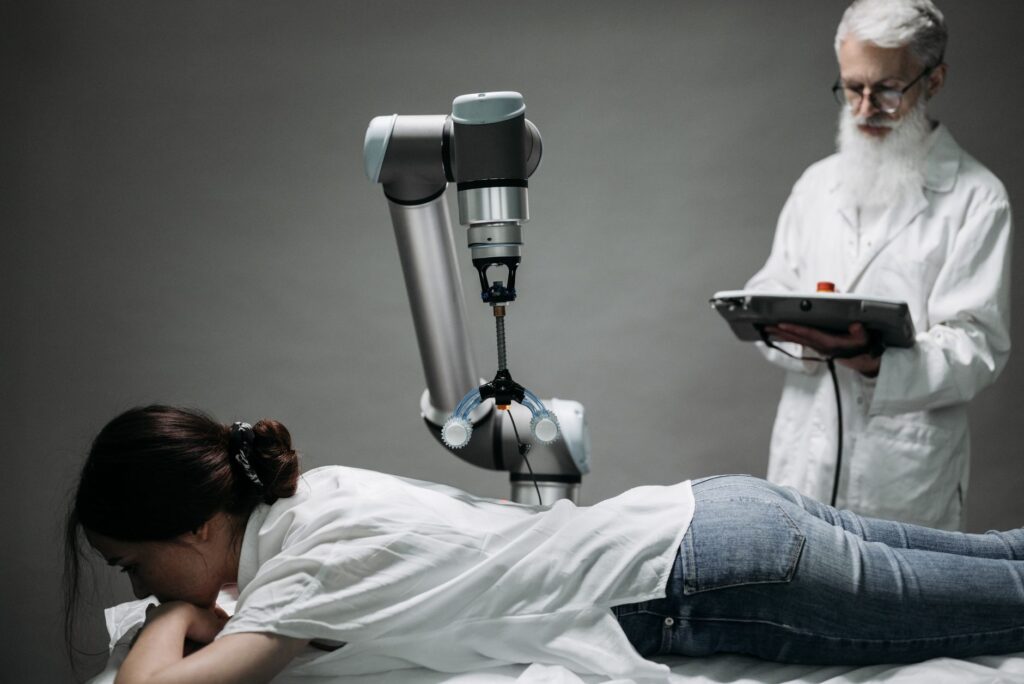
AI medical mystery has finally been solved, offering new hope in the field of healthcare. This breakthrough could change how we understand and treat various medical conditions.
What is the AI Medical Mystery?
The AI medical mystery refers to a groundbreaking development in the field of healthcare, where artificial intelligence has successfully addressed a longstanding and perplexing medical challenge. For decades, researchers struggled to understand the underlying causes of certain diseases that eluded traditional diagnostic methods. With the advent of AI, new possibilities have emerged, allowing scientists to analyze vast amounts of medical data and uncover patterns that were previously invisible.
Utilizing advanced algorithms and machine learning techniques, AI systems can now sift through millions of medical records, genetic information, and patient histories in a fraction of the time it would take human researchers. This capability not only accelerates the diagnostic process but also enhances the accuracy of diagnoses, leading to more effective treatment plans.
One of the key breakthroughs achieved through this technology is the identification of rare genetic disorders that had baffled medical professionals for years. By correlating symptoms with genetic markers, the AI has provided insights that have revolutionized how these conditions are understood and treated.
The implications of this AI medical mystery solved extend beyond individual cases; they pave the way for a new era of personalized medicine. With tailored treatment options based on individual genetic profiles, patients can expect improved outcomes and a higher quality of care. Overall, the intersection of AI and healthcare is proving to be a transformative force, pushing the boundaries of what is possible in medical science.
The Role of AI in Healthcare
The integration of artificial intelligence (AI) into healthcare has revolutionized the way medical professionals approach diagnosis and treatment. One of the most intriguing developments in this field is the emergence of the AI medical mystery, which has captivated researchers and practitioners alike. As AI systems become increasingly sophisticated, they are capable of analyzing vast amounts of medical data at unprecedented speeds, enabling them to identify patterns that may elude even the most experienced clinicians.
In recent years, AI has played a crucial role in various areas of medicine, including:
- Diagnostic Imaging: AI algorithms can enhance the interpretation of X-rays, MRIs, and CT scans, leading to earlier and more accurate diagnoses.
- Predictive Analytics: By analyzing patient history and demographic data, AI can predict potential health risks and outcomes, allowing for proactive care.
- Personalized Medicine: AI helps tailor treatment plans based on individual genetic profiles, improving the effectiveness of therapies.
Moreover, AI has been instrumental in uncovering long-standing medical mysteries that have baffled scientists for decades. With its ability to process and learn from complex datasets, AI has not only enhanced our understanding of various diseases but has also paved the way for innovative solutions that promise to transform patient care.
Breakthroughs in Medical Research
Recent breakthroughs in medical research have shed light on long-standing challenges within the healthcare industry. One notable achievement is the resolution of the AI medical mystery, where artificial intelligence systems have successfully unraveled complex medical conditions that have baffled researchers for decades.
These advancements have significant implications for patient care and treatment options. The integration of AI technologies allows for:
- Enhanced diagnostics: AI algorithms can analyze vast amounts of data, leading to more accurate and timely diagnoses.
- Personalized treatment plans: Machine learning models can evaluate individual patient profiles, resulting in tailored therapies that improve outcomes.
- Predictive analytics: By identifying patterns in patient data, AI tools can forecast disease progression, enabling proactive interventions.
Moreover, the collaboration between healthcare professionals and AI systems has facilitated novel approaches to previously misunderstood medical phenomena. Researchers have harnessed the power of AI to discover links between genetic markers and specific diseases, paving the way for new research avenues.
As the healthcare landscape continues to evolve, these breakthroughs underscore the importance of embracing technology in solving critical medical mysteries. The promise of AI not only enhances our understanding of complex health issues but also opens new doors for innovative treatments and improved patient outcomes.
How AI is Transforming Diagnostics
Artificial Intelligence (AI) is revolutionizing the field of diagnostics, offering unprecedented capabilities that enhance our understanding of complex medical conditions. The AI medical mystery has captivated researchers and healthcare professionals alike, as advanced algorithms analyze vast amounts of data to identify patterns that were previously undetectable.
One of the most significant impacts of AI in diagnostics is its ability to improve the speed and accuracy of disease identification. Traditional diagnostic methods often rely on the expertise of medical professionals, which can lead to variability and human error. In contrast, AI systems can process millions of medical records, imaging results, and genetic information in a fraction of the time, providing reliable insights.
The following are key ways AI is transforming diagnostics:
- Image Analysis: AI algorithms excel at interpreting medical images, such as X-rays and MRIs, facilitating the early detection of conditions like cancer.
- Predictive Analytics: By analyzing patient data, AI can forecast potential health risks, enabling preventative measures before symptoms arise.
- Personalized Medicine: AI helps tailor treatments based on individual genetic profiles, ensuring that patients receive the most effective care.
- Clinical Decision Support: AI aids healthcare providers in making informed decisions by offering evidence-based recommendations.
As these technologies continue to evolve, the potential for solving longstanding medical mysteries only grows, reaffirming AI’s crucial role in the future of healthcare.
Expert Opinions on the Discovery
Experts in the field have weighed in on the recent breakthrough related to the AI medical mystery. Many believe that this discovery could mark a significant turning point in the intersection of technology and healthcare. Dr. Emily Tran, a leading researcher in artificial intelligence applications in medicine, stated, “This advancement not only highlights the power of AI but also its potential to solve complex medical challenges that have stumped professionals for years.”
Another prominent expert, Dr. Marcus Chen, emphasized the implications for patient outcomes. “By analyzing vast amounts of data, AI can identify patterns that humans might miss. This capability allows for earlier diagnosis and personalized treatment plans that can drastically improve recovery rates,” he noted.
However, some experts urge caution. Dr. Sarah Lopez, a bioethicist, expressed concerns regarding the ethical implications of relying heavily on AI in clinical settings. “While AI has proven to be an invaluable tool, we must remain vigilant about ensuring that human oversight is maintained in the decision-making process,” she remarked.
The dialogue among these experts reflects a broader consensus that while the AI medical mystery has been solved, it opens the door to further inquiries into the integration of AI in healthcare. As the technology continues to evolve, the medical community will need to address the challenges and opportunities that arise from this rapidly changing landscape.
Future Implications for Patients
The recent resolution of the AI medical mystery has profound implications for patients worldwide. As artificial intelligence continues to advance, its potential to revolutionize healthcare becomes increasingly evident. This breakthrough not only enhances our understanding of complex diseases but also paves the way for more personalized treatment plans.
One of the most significant impacts will be on early diagnosis. With AI algorithms capable of analyzing vast amounts of data quickly and accurately, patients can benefit from timely interventions that were previously unimaginable. This means that conditions can be identified in their nascent stages, ultimately leading to improved health outcomes.
Additionally, the integration of AI in patient care promotes a more proactive approach. Patients will no longer wait for symptoms to arise before seeking treatment; instead, they can leverage AI-driven tools to monitor their health continuously. This could lead to:
- Enhanced Engagement: Patients can take a more active role in their health management.
- Customized Treatments: AI can help tailor therapies based on individual genetic profiles.
- Improved Accessibility: Remote monitoring and AI consultations can make healthcare more accessible to underserved populations.
In summary, the resolution of the AI medical mystery represents not just a scientific achievement but a transformative moment for patient care, fostering a future where healthcare is more efficient, personalized, and accessible.
Conclusion: The Impact of AI on Medicine
The recent breakthrough in solving the AI medical mystery has profound implications for the future of healthcare. By harnessing the power of artificial intelligence, researchers have not only unveiled long-standing medical enigmas but have also paved the way for innovative treatment approaches and enhanced patient care.
One of the most significant impacts of AI is its ability to analyze vast amounts of data with incredible speed and accuracy. This capability allows for early diagnosis of diseases that were previously difficult to detect. As a result, patients can receive timely interventions, leading to better health outcomes.
Moreover, the deployment of AI in various medical fields is transforming how healthcare professionals approach problem-solving. With AI tools assisting in diagnostics, doctors can focus more on patient interaction and personalized care rather than solely relying on traditional methods.
However, the integration of AI into medicine does not come without challenges. Ethical considerations regarding patient data privacy and the need for continuous validation of AI algorithms remain critical issues that must be addressed as the technology evolves.
In conclusion, the resolution of the AI medical mystery marks a turning point in the healthcare landscape. As artificial intelligence continues to advance, its ongoing role in medicine will likely redefine standards of care and offer hope for patients facing complex health challenges.
The recent advancements in technology have finally unraveled the AI medical mystery, leading to innovative treatments that were once thought impossible. Experts believe this breakthrough will significantly enhance patient care and outcomes in the healthcare industry.
Photo by Pavel Danilyuk on Pexels
Read the original